
%20.png)
.webp)
Prive Jet Charter, wereldwijd
Vlieg waar en wanneer u maar wilt – dat is de belofte die centraal staat bij Global Charter. Met jarenlange bewezen ervaring, duizenden succesvolle vluchten en klanten op elk continent bieden wij u ongeëvenaarde toegang tot vliegtuigen, service op maat en 24/7 ondersteuning. Of u nu naar een grote stad, een afgelegen toevluchtsoord of een plek ver van de bewoonde wereld reist: wij zorgen ervoor dat de wereld zich aanpast aan uw wensen.
Uw persoonlijke accountmanager, ondersteund door een 24-uursdienst, zorgt ervoor dat elke reis vlekkeloos verloopt.
We maken gebruik van geavanceerde technologie om onze makelaars uiterst efficiënt te laten werken — zodat u elke keer weer kunt rekenen op een eenvoudig en veilig boekingsproces.
Met toegang tot meer dan 19.000 vliegtuigen wereldwijd zorgen wij ervoor dat u het perfecte vliegtuig krijgt tegen de beste prijs — gegarandeerd.





.svg)
Waarom onze klanten met ons vliegen


Ontdek onze charteroplossingen
Kies de ‘ Prive Jet ’-huuroplossing die bij uw reisstijl past. Van directe toegang tot voorafbetaalde vluchttegoed tot gegarandeerde uurtarieven: wij bieden verschillende opties die zijn afgestemd op de manier waarop u daadwerkelijk vliegt.
.svg)

.svg)
Het verschil van Global Charter
Onze reputatie als betrouwbare luchtvaartmakelaar is gebaseerd op:
• Wereldwijd bereik, lokale kennis – Wereldwijde toegang tot vliegtuigen in combinatie met diepgaande regionale expertise.
• Onafhankelijke makelaardij – Elke beslissing wordt genomen in uw belang, zonder externe belangenconflicten.
• Ervaren team – Meer dan 200 jaar gezamenlijke charterkennis binnen ons wereldwijde team.
• Slimme technologie – Gestroomlijnde systemen waardoor onze makelaars zich volledig kunnen richten op uw wensen.
• Compromisloze normen – We werken uitsluitend samen met exploitanten die aan de hoogste normen voldoen.
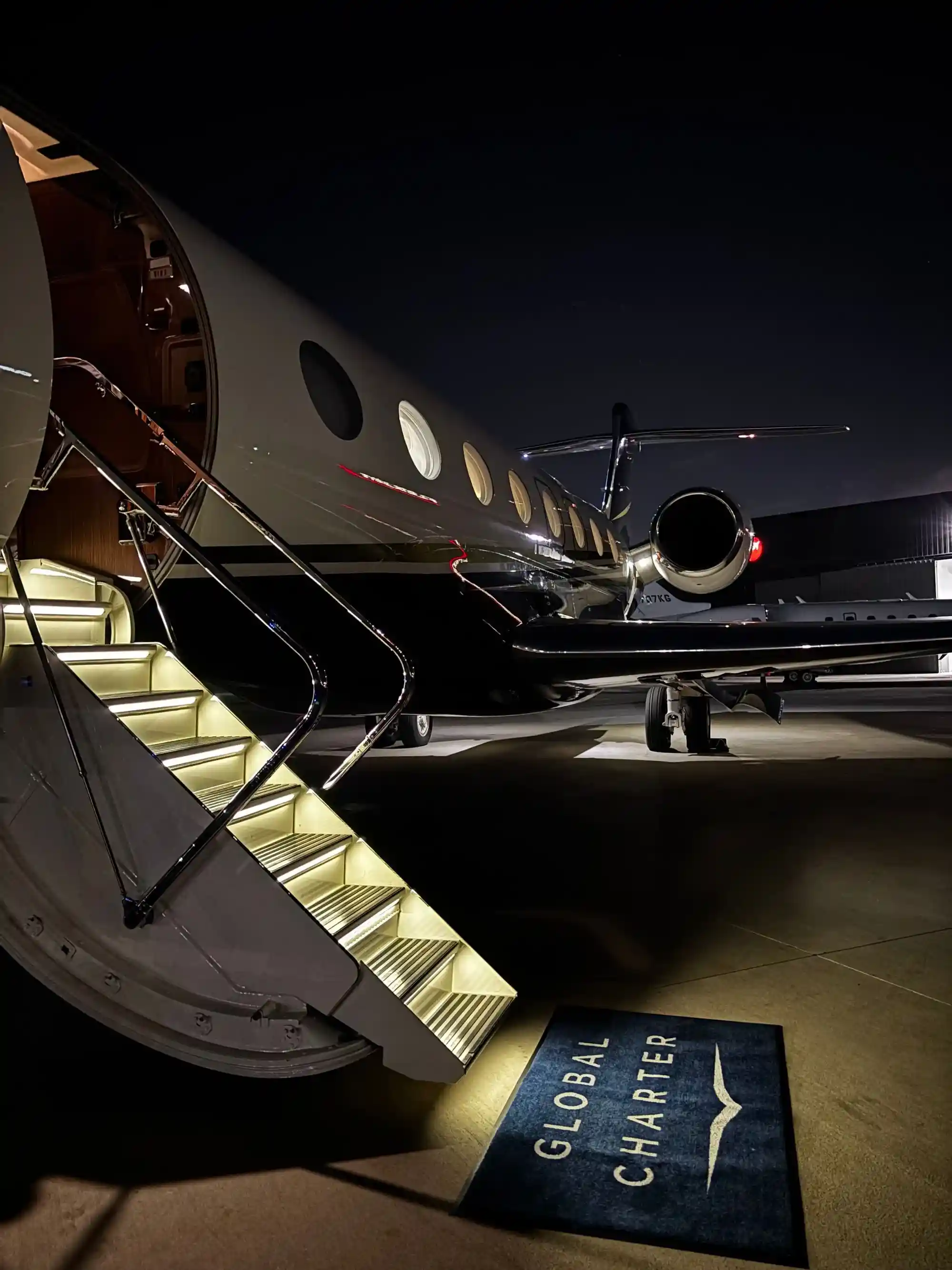
Waarom kiezen voor Global Charter?
Bij Global Charter bieden we meer dan alleen de verhuur van Prive Jet . Met flexibele, concurrerende tarieven, uitstekende klantbeoordelingen, royale beloningen voor aanbevelingen en het gemak van betalingen in cryptovaluta, zorgen we voor een naadloze en gepersonaliseerde reiservaring die volledig is afgestemd op al uw wensen.
AOG-verzekering JetProtect™
Bescherming tegen het onverwachte.
Onze tarieven
Uw gids voor onze tarieven voor het huren van een ‘ Prive Jet ’.
Duurzaamheid
We zetten ons in voor een schonere toekomst.
Partnerschapsprogramma
Een gezamenlijk aanbod van het ‘ Prive Jet ’-charter.
CRYPTO
Het gemak van transacties met cryptovaluta’s.
Ons gevarieerde aanbod aan charterdiensten
Ons uitgebreide aanbod aan charterdiensten biedt u de flexibiliteit om precies zo te reizen als u wilt en wanneer u dat wilt, met op maat gemaakte opties voor elke gelegenheid:
Huisdiervriendelijk CHARTER
Luxe Prive Jet : reis samen met je trouwe viervoeters.
Last-minute CHARTER
Last-minute charterdiensten in Prive Jet voor uw dringende reisbehoeften.
Helikopterverhuur
Privéhelikopters huren voor efficiënte korte vluchten.
GROEP
HANDVEST
Op maat gemaakte groepsverhuur voor grotere gezelschappen.
CARGO
CHARTER
Deskundige oplossingen voor uw wereldwijde vrachtcharterbehoeften.
Kies het vliegtuig dat perfect bij u past
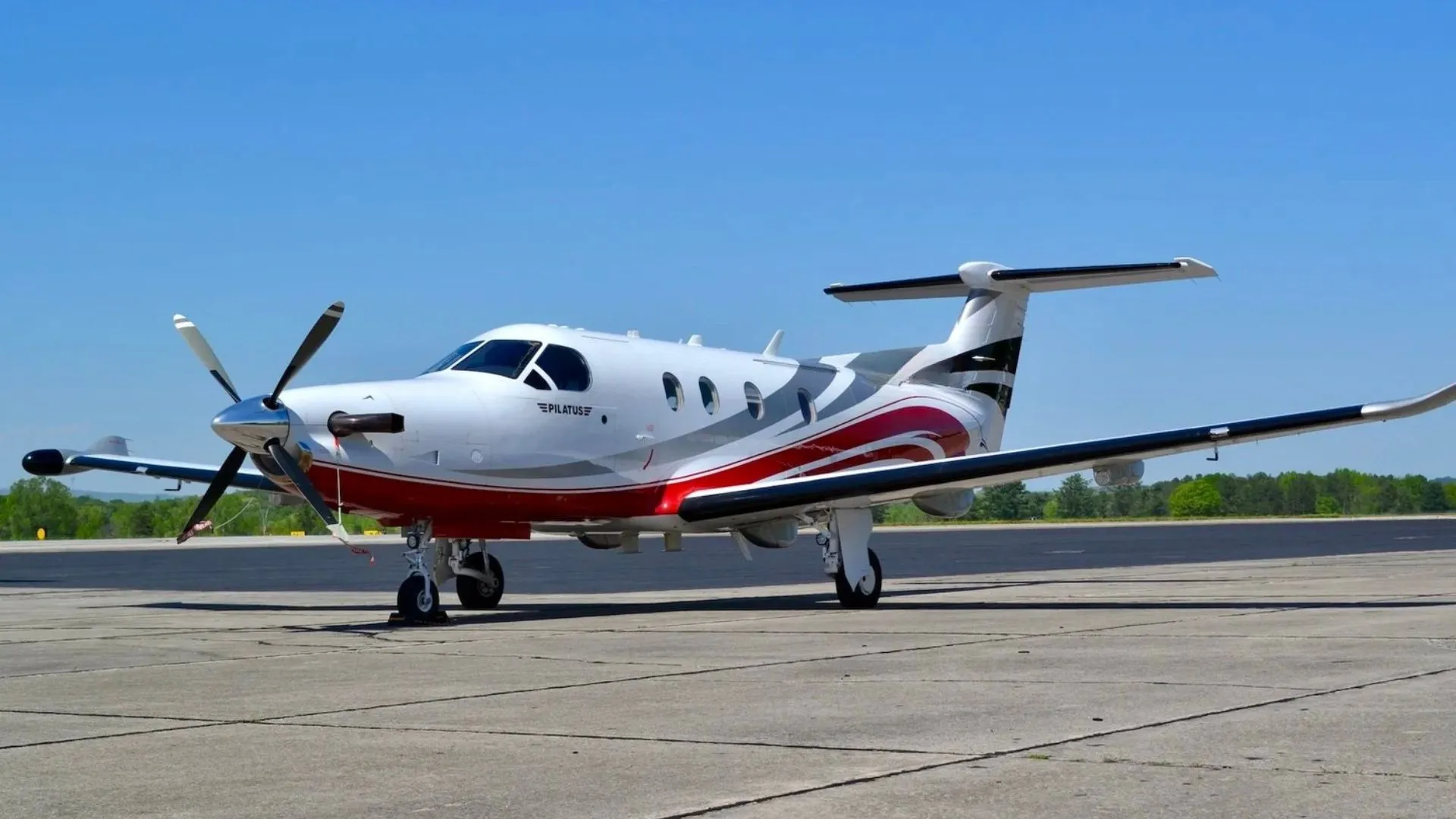
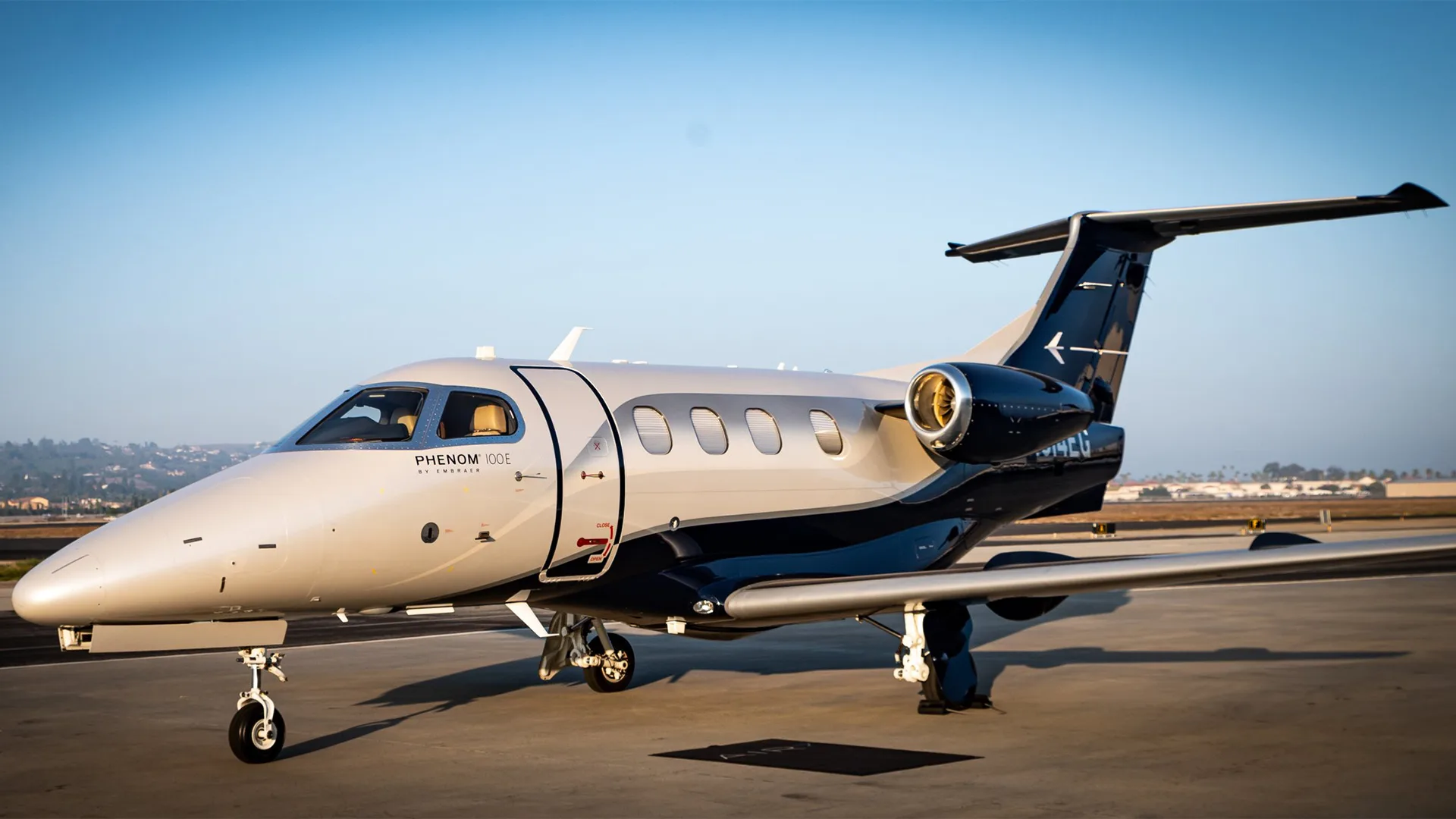
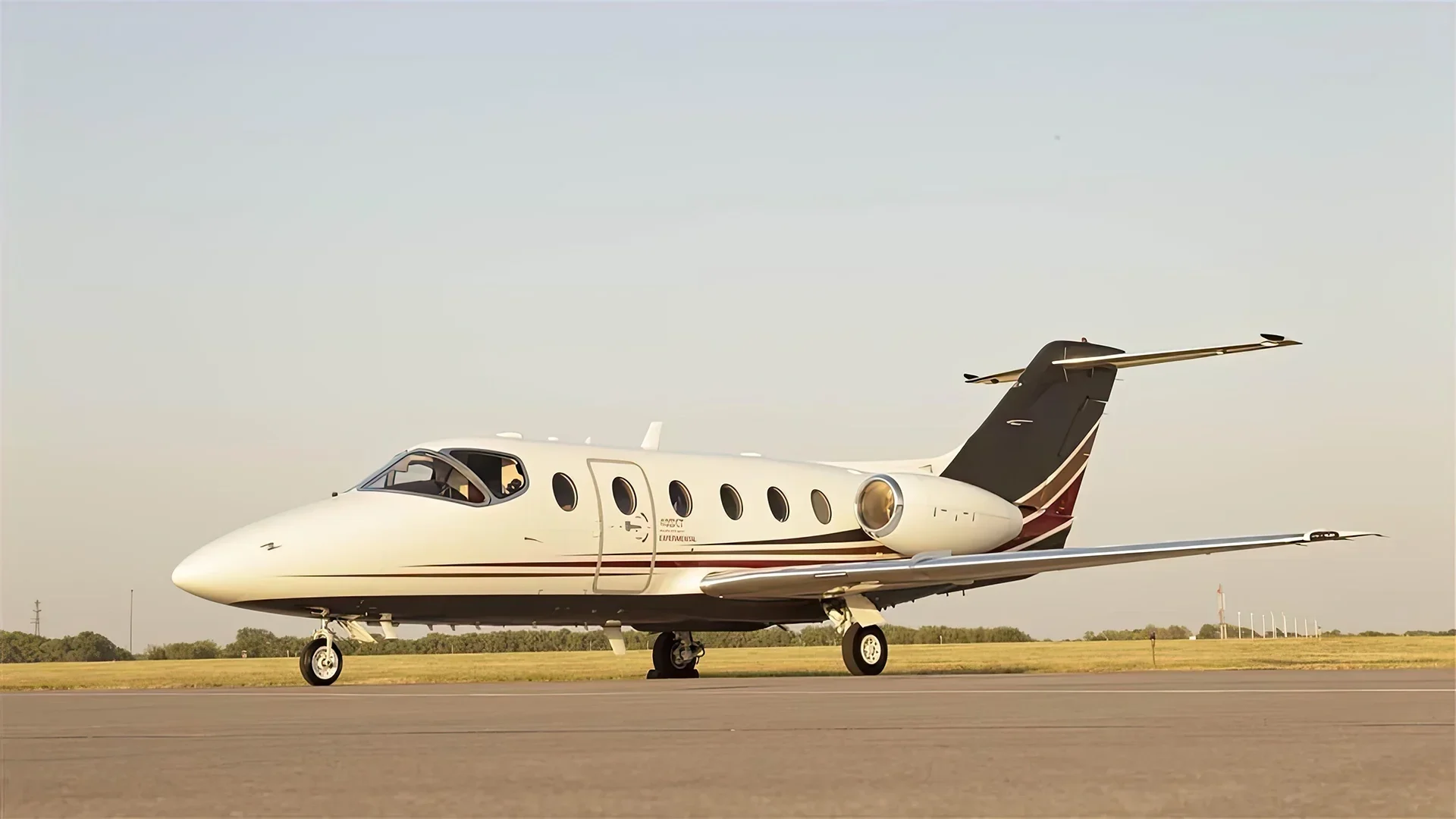
Bekijk onze uitgebreide vliegtuiggids, vergelijk specificaties met onze vliegtuigvergelijker of blader per categorie om de perfecte chartervlucht met een „ Prive Jet ” te vinden.

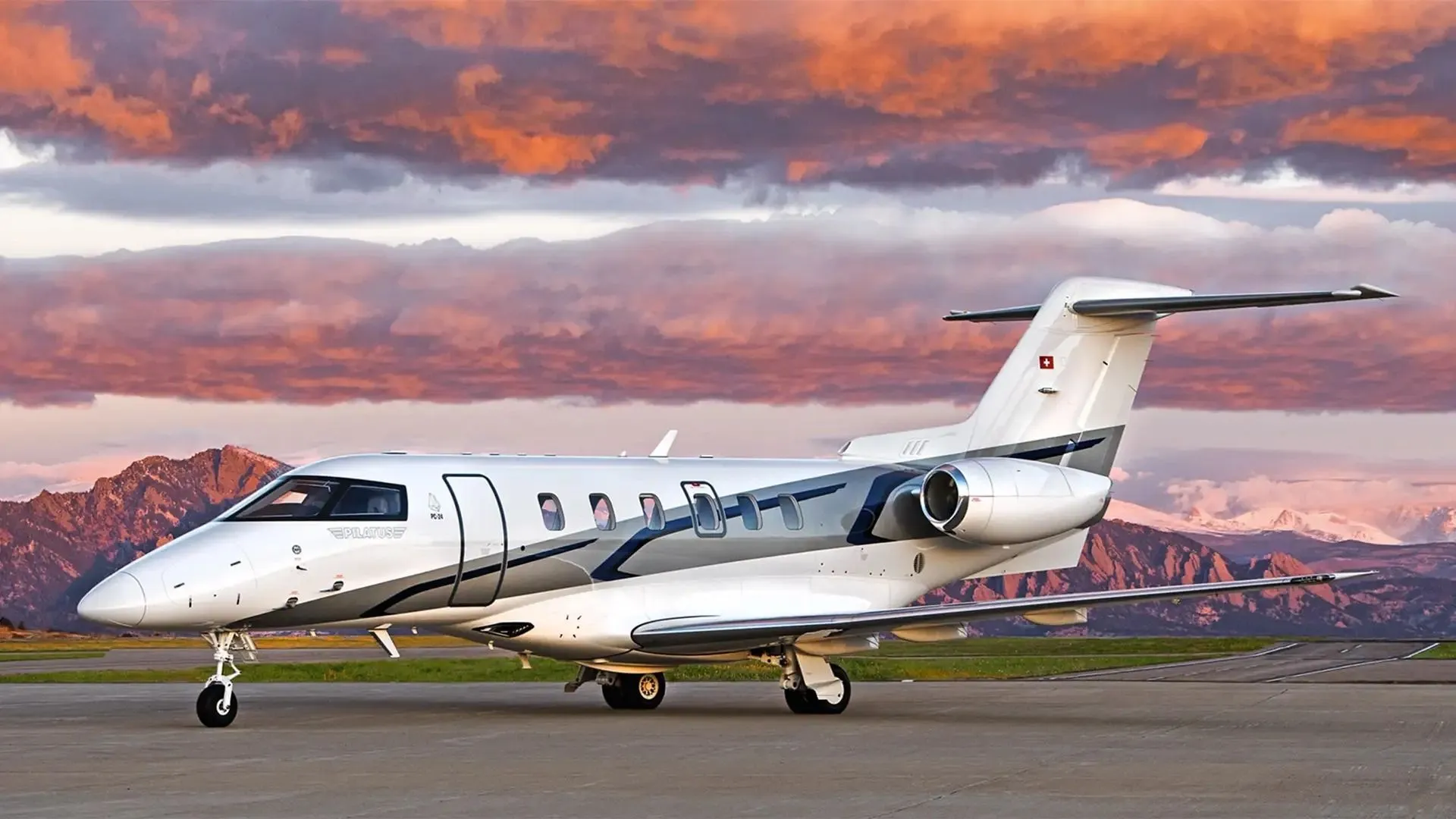




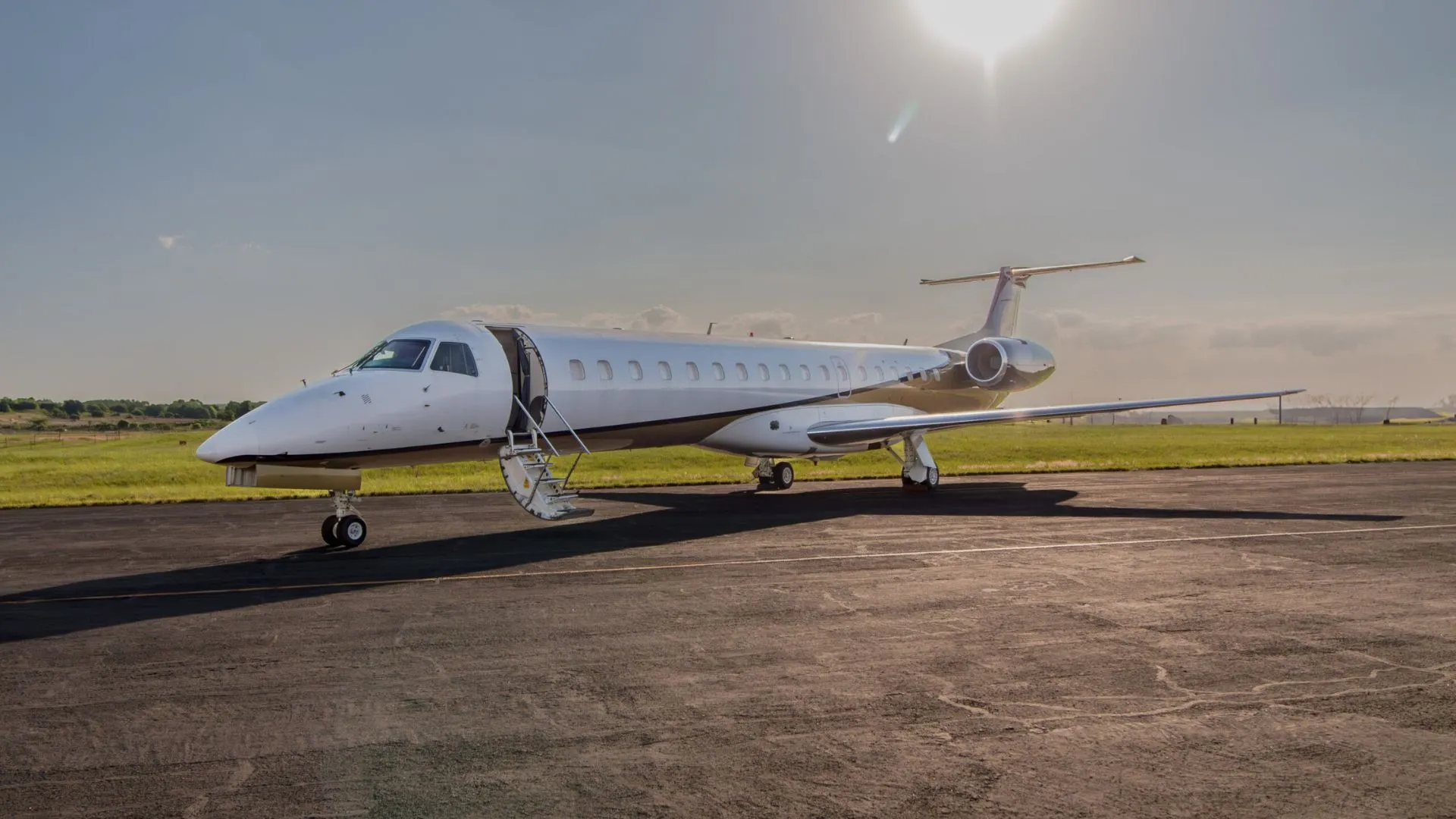

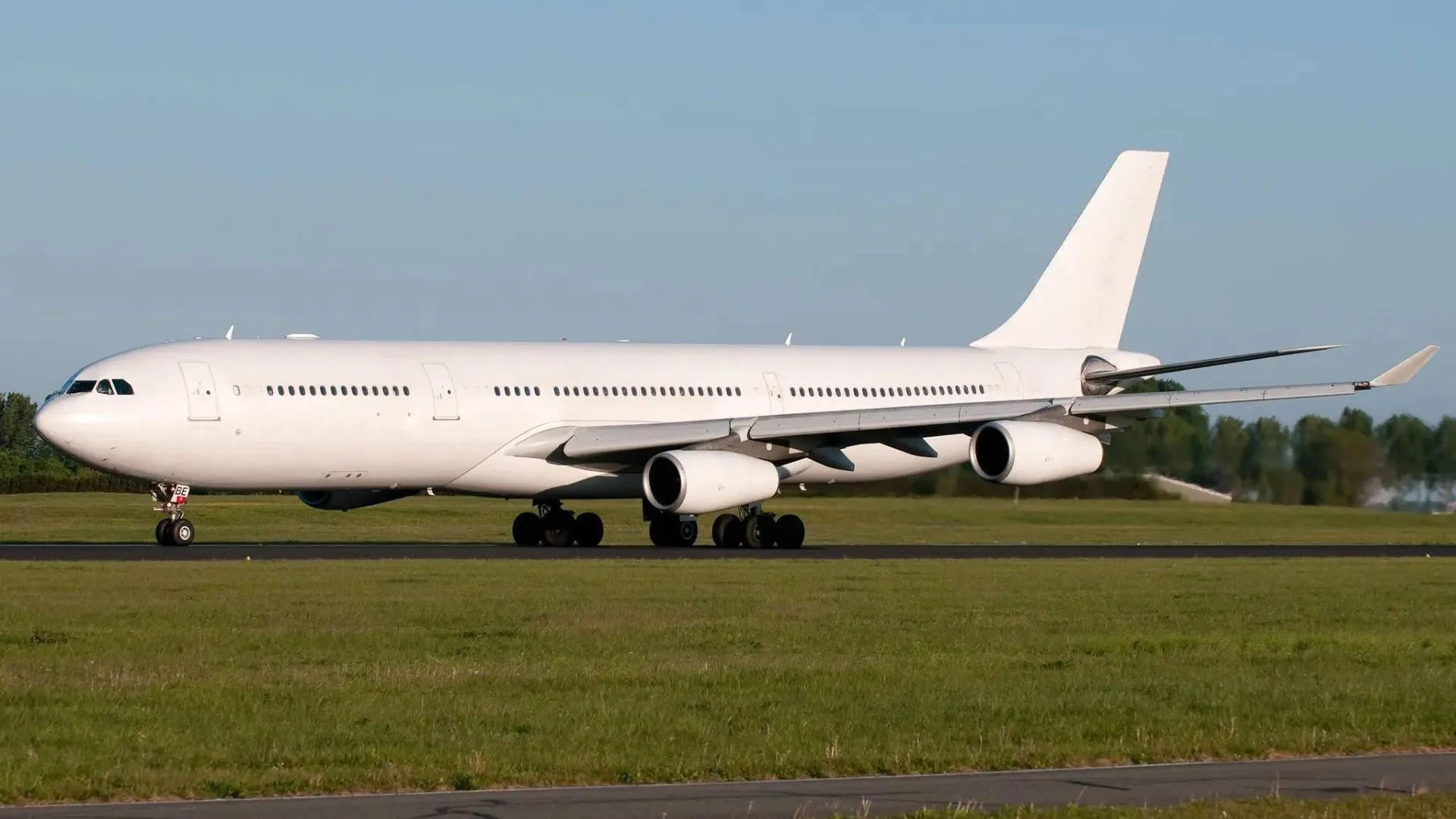
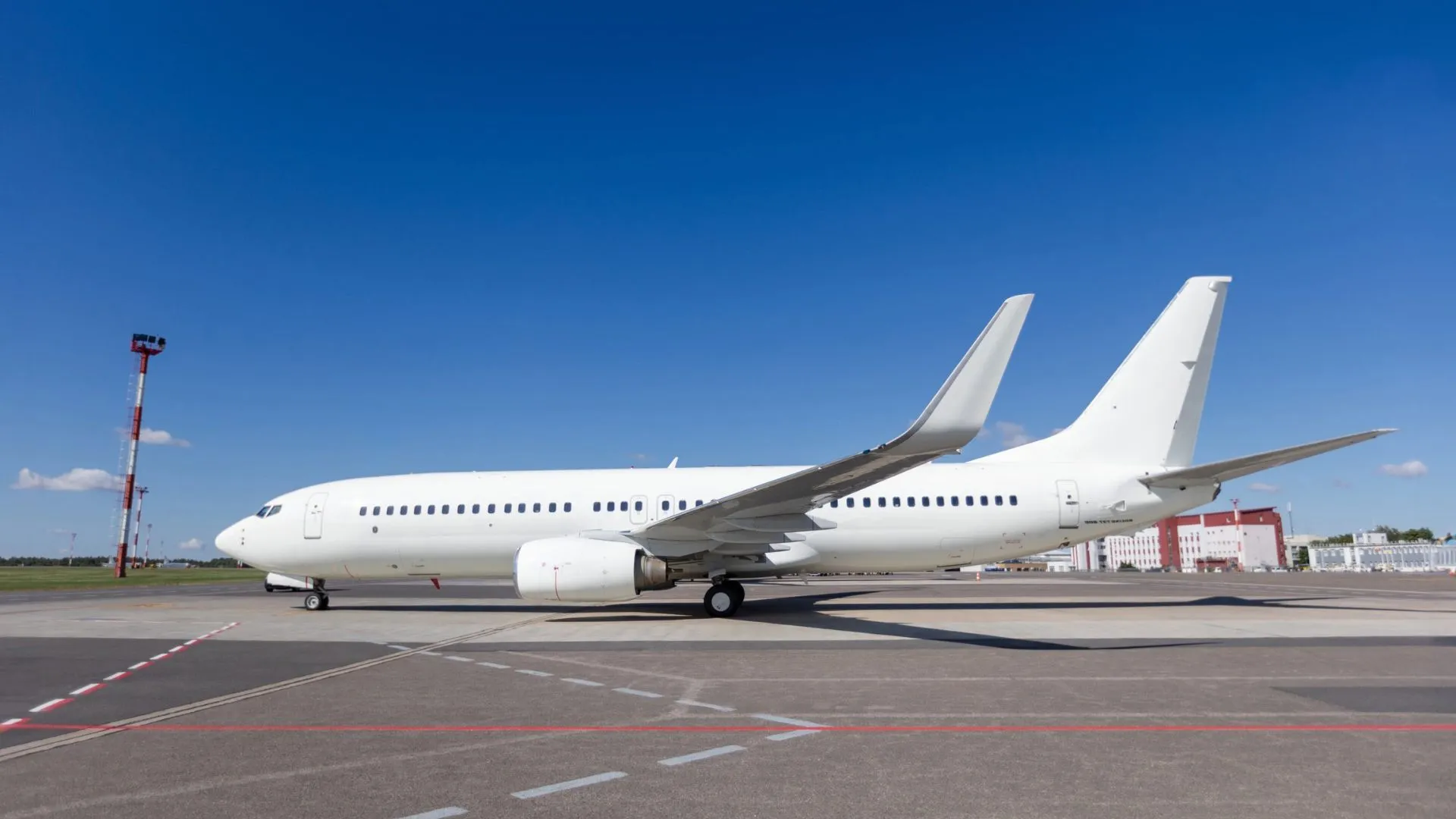
Veiligheid zonder concessies
Daarnaast hanteren we strenge professionele normen door ons actieve lidmaatschap van toonaangevende brancheorganisaties, wat elke reis een extra laag van toezicht biedt.




Het ‘ Prive Jet ’-handvest

Jachtverhuur
Van de zonovergoten kusten van de Middellandse Zee tot de onontdekte wateren van de Stille Zuidzee: wij bieden u toegang tot een exclusieve vloot van motorjachten en zeiljachten.
Stap moeiteloos over van de lucht naar de zee met onze op maat gemaakte jachtcharterdiensten diensten, waarbij elk detail is afgestemd op uw reisroute en u de hoogste mate van privacy en comfort geniet, precies afgestemd op uw voorkeuren en wensen.
Global Concierge
Unieke ervaringen – Ontdek exclusieve avonturen die je meenemen buiten het alledaagse. Van privéhelikoptersafari’s tot ballonvaarten bij zonsopgang boven de Serengeti: elke reis wordt zorgvuldig voor je samengesteld.
Gezondheids- en wellnessreizen – Beleef detoxvakanties in de Zwitserse Alpen of verkwikkende spa-retraites op Bali, allemaal naadloos geïntegreerd in je reis, waarbij jouw welzijn voorop staat.
Laat Global Concierge uw visie omzetten in realiteit met buitengewone ervaringen die exclusief op u zijn afgestemd.

Onze inzet voor duurzaamheid
Prive Jet Reizen kan hand in hand gaan met verantwoordelijkheid voor het milieu. Wij erkennen het belang van duurzame luchtvaart en zetten ons in om onze klanten te helpen hun impact op het milieu tot een minimum te beperken. Via ons CO₂-compensatieprogramma hebben klanten de mogelijkheid om impactvolle initiatieven te steunen die blijvende verandering teweegbrengen:
Duurzame vliegtuigbrandstof (SAF) – SAF is een milieuvriendelijk alternatief voor conventionele vliegtuigbrandstof en kan de CO₂-uitstoot aanzienlijk verminderen.
Bescherming van het mariene milieu – Door het herstel van ecosystemen te ondersteunen, wordt de natuurlijke koolstofopname bevorderd en worden tegelijkertijd cruciale mariene habitats beschermd.

Wereldwijde aanwezigheid
Onze internationale vestigingen bieden wereldwijd uitgebreide verhuurdiensten voor de ‘ Prive Jet ’.
Global Charter
142 Cromwell Road
Londen
SW7 4EF
+44 20 7157 9525
Global Charter
407 Lincoln Road
Miami Beach
FL 33139
+1 305 504 2449
Global Charter
9171 Wilshire Blvd
Beverly Hills
CA 90210
+1 323 794 2494

GLOBAL CHARTER
20 BAY STREET
TORONTO
ON M5J 2N8
+1 647 952 8144

GLOBAL CHARTER
258 DMCC
Dubai
Verenigde Arabische Emiraten
+971 4494 5603
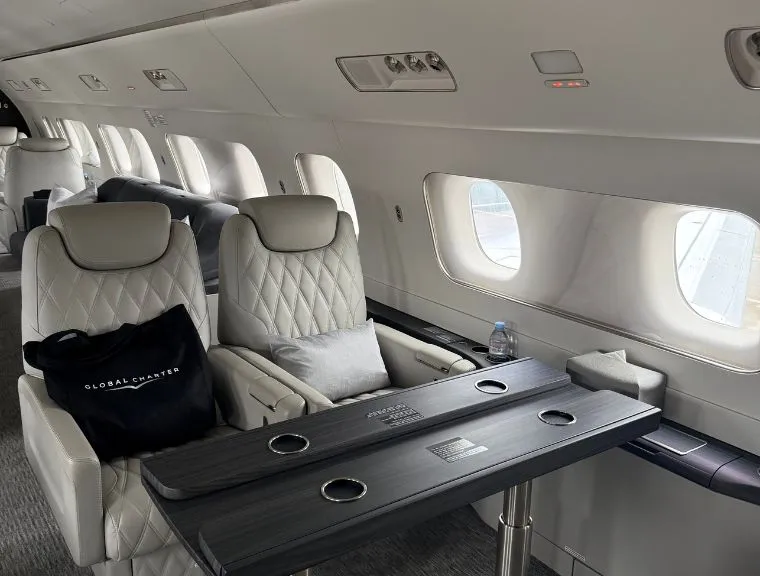
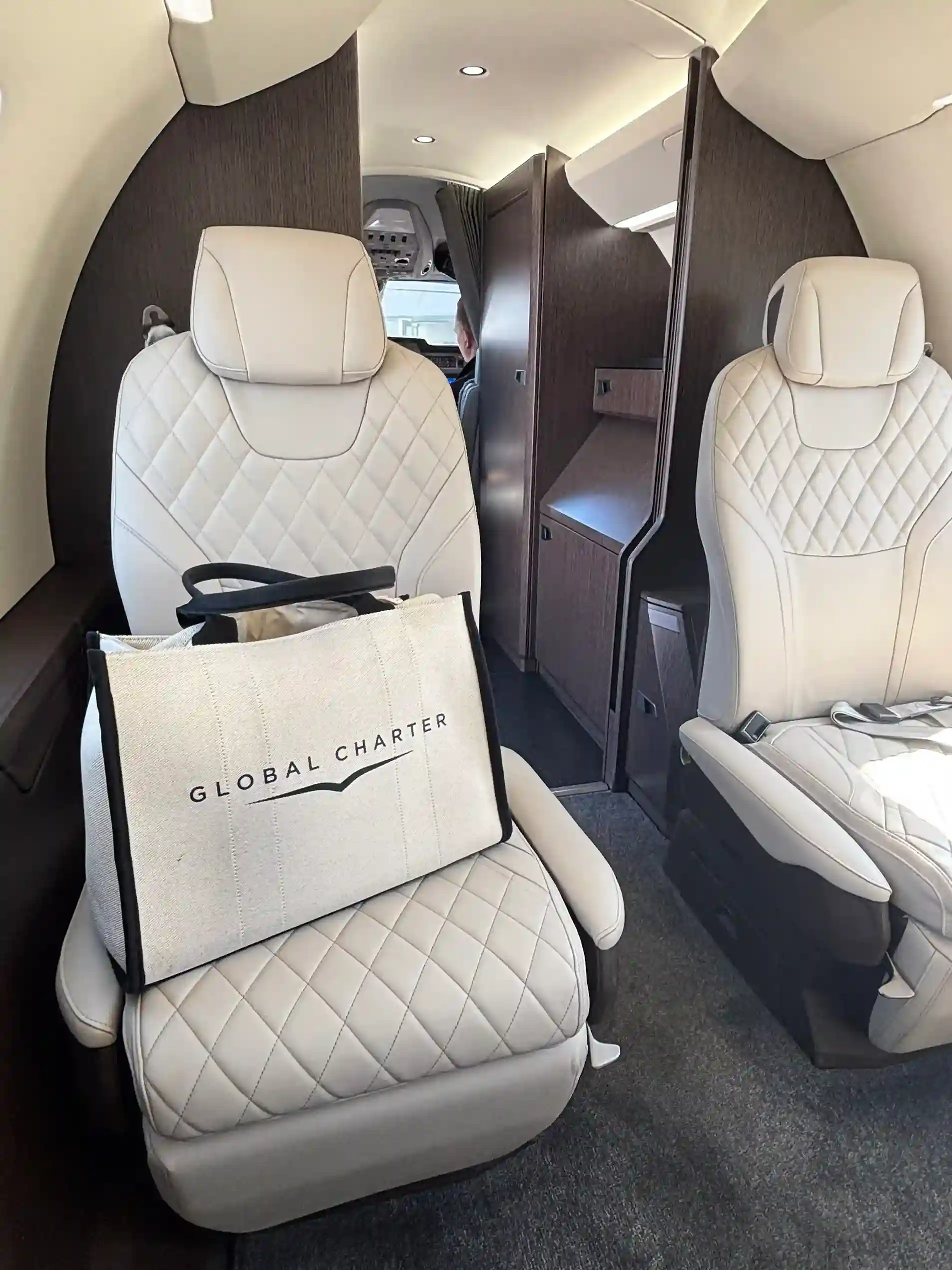
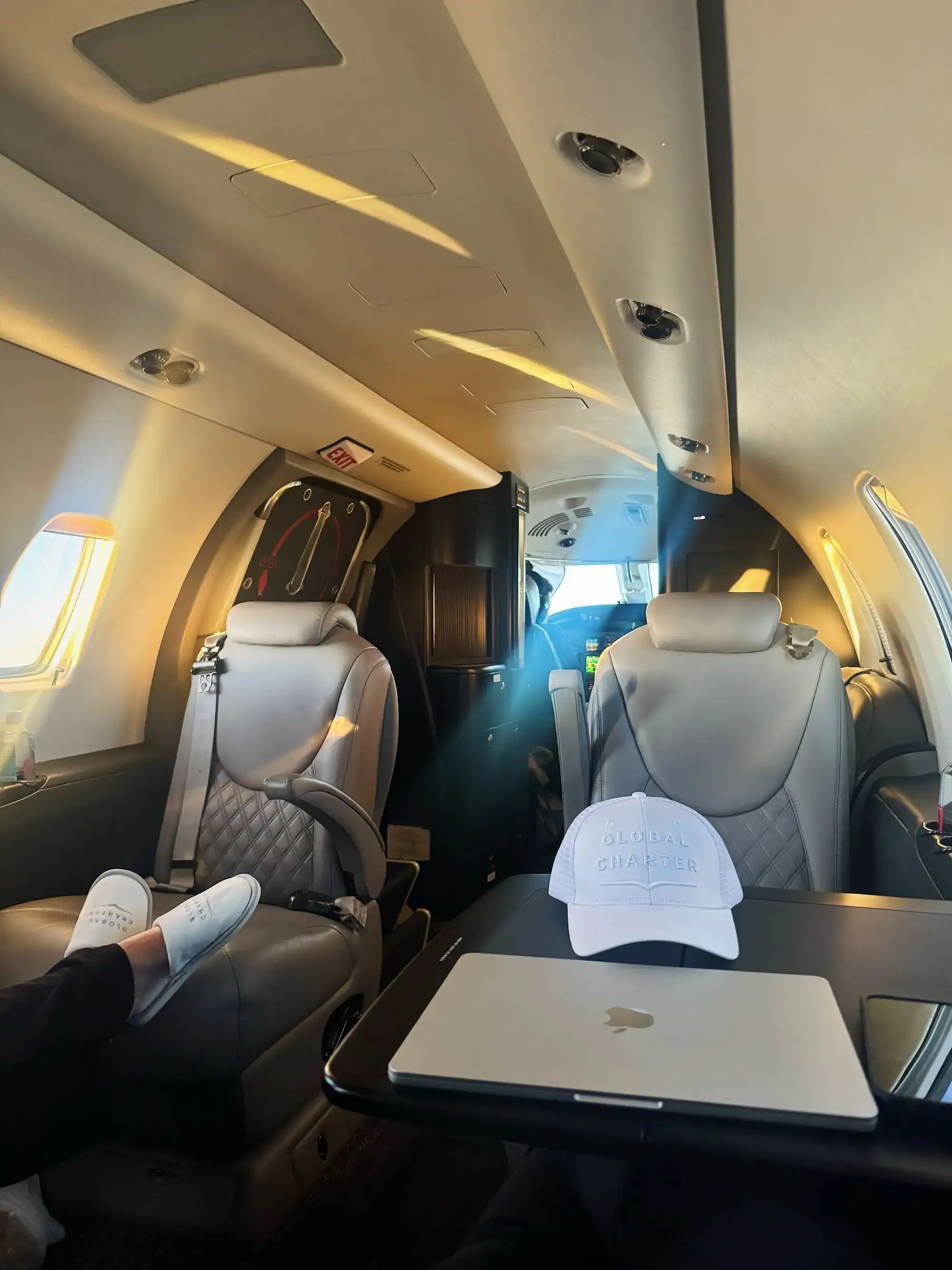
GC in de praktijk

.jpg)


.webp)

.webp)
.webp)