
%20.png)

Wie viel kostet eine Pilatus PC-12?
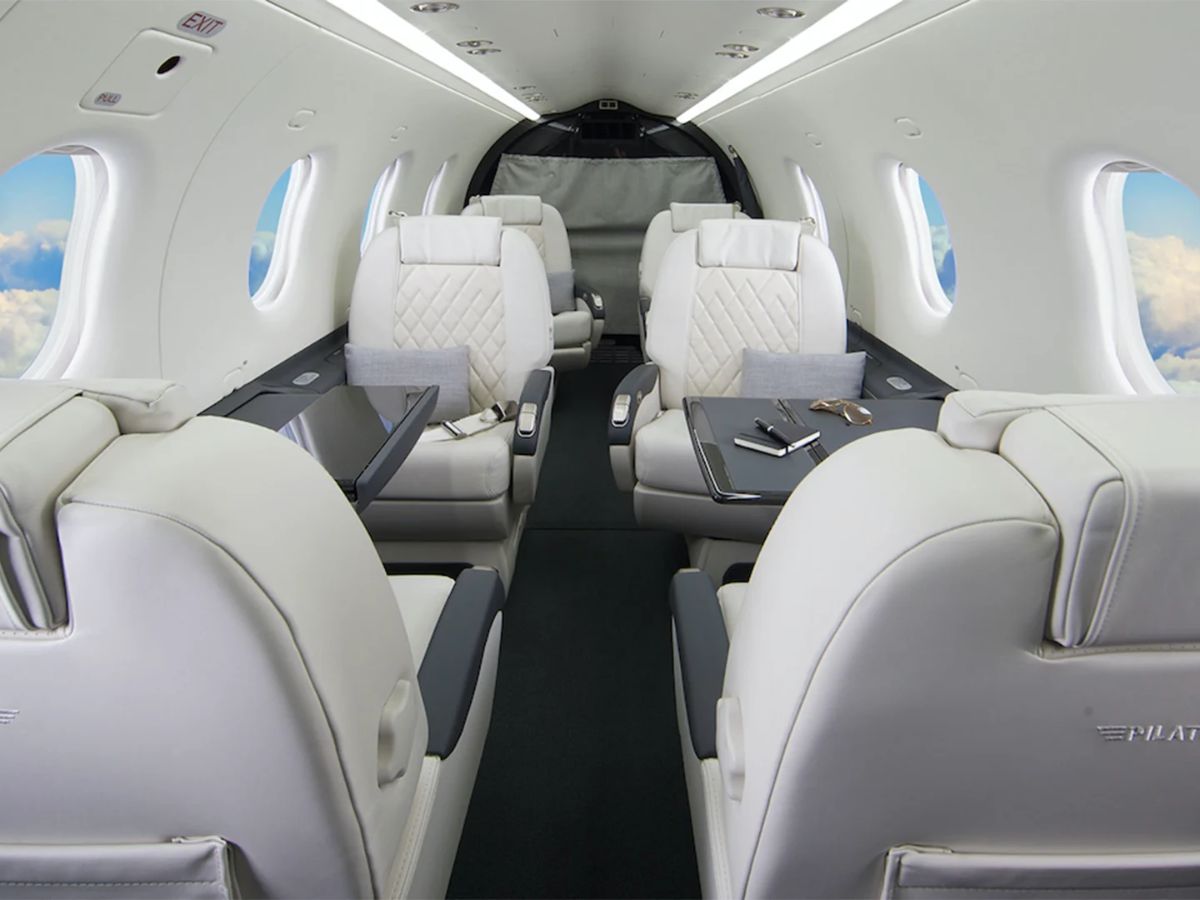
Pilatus PC-12: Charterkosten, technische Daten und Kaufberatung
Die Pilatus PC-12 ist eines der vielseitigsten Flugzeuge in der privaten Luftfahrt. Sie wird seit 1991 in der Schweiz gebaut und vereint eine Druckkabine, die Effizienz eines Turboprop-Flugzeugs sowie die Fähigkeit, von kurzen und unbefestigten Start- und Landebahnen zu starten, die kein Privatjet erreichen kann. Weltweit wurden bereits über 2.000 Exemplare ausgeliefert, was sie zum meistverkauften einmotorigen Turboprop in der Geschichte der Geschäftsluftfahrt macht. Dieser Leitfaden behandelt alles, was Sie über das Chartern oder den Kauf einer PC-12 wissen müssen, einschließlich Kosten, technischen Daten, Varianten und eines Vergleichs mit einem Light Jet.
Die wichtigsten Erkenntnisse
- Die Charterpreise beginnen bei etwa 2.500 US-Dollar pro Stunde und liegen damit etwa 20 bis 30 % unter denen eines vergleichbaren Light Jets.
- Die PC-12 kann bereits auf Start- und Landebahnen mit einer Länge von nur 2.650 Fuß sowie auf unbefestigten Flächen starten und landen und erschließt damit Ziele, die kein Jet erreichen kann.
- Bietet Platz für bis zu 9 Passagiere und verfügt über einen Innenraum mit ebenem Boden, eine vollständig abgeschlossene Toilette sowie eine hintere Ladetür
- Drei aktuelle Modelle sind erhältlich: die PC-12 NG, die PC-12 NGX und die neue PC-12 PRO, die für 2025 angekündigt wurde
- Die Kaufpreise reichen von rund 2,5 Millionen Dollar für Gebrauchtwagen bis zu über 5,5 Millionen Dollar für Neuwagen.

Was ist die Pilatus PC-12?
Die PC-12 ist ein einmotoriges, druckkabinenausgestattetes Turboprop-Flugzeug, das von Pilatus Aircraft in Stans, Schweiz, hergestellt wird. Angetrieben von einem Pratt & Whitney PT6A-Triebwerk ist sie für den IFR-Betrieb mit einem Piloten zugelassen und erreicht eine Reisegeschwindigkeit von bis zu 285 Knoten bei einer Dienstgipfelhöhe von 30.000 Fuß. Ihre Reichweite von etwa 1.800 Seemeilen deckt die meisten Regional- und Mittelstreckenflüge ohne Zwischenlandung zum Auftanken ab.
Was die PC-12 von anderen Turboprop-Flugzeugen und Leichtjets unterscheidet, ist die Kombination aus Kabinengröße, Kurzstrecken-Eignung und Wirtschaftlichkeit im Betrieb. Eine große hintere Frachttür, eine Kabine mit ebenem Boden und eine vollständig geschlossene Toilette machen sie ebenso praktisch wie komfortabel. Sie wird weltweit für den Firmenflugverkehr, den Luftrettungsdienst, Frachtflüge und spezielle staatliche Einsätze genutzt.
Die PC-12-Varianten im Überblick
Derzeit sind drei Varianten der PC-12 auf dem Chartermarkt im Einsatz. Die Unterschiede sind erheblich und sollten vor der Buchung berücksichtigt werden.
Die Charterpreise richten sich nach den aktuellen On-Demand-Preisen. Die genauen Preise für Ihre Strecke finden Sie auf unserer Preisseite oder fordern Sie direkt ein Angebot an.
Die PC-12 PRO: Was sich im Jahr 2025 geändert hat
Pilatus kündigte die PC-12 PRO im März 2025 an; die Auslieferungen sollen Ende 2025 beginnen. Es handelt sich um die bedeutendste Weiterentwicklung der Plattform seit der NGX. Zu den wichtigsten Neuerungen zählen eine Garmin G3000 Prime-Avioniksuite mit Autoland-Funktion, vom PC-24 inspirierte Steuerknüppel sowie ein überarbeitetes Pratt & Whitney PT6E-68XP-Triebwerk mit Zweikanal-FADEC für ein verbessertes Kraftstoffmanagement und geringere Wartungskosten. Die Kabine wurde neu gestaltet, um den Standards der Pilatus PC-24 zu entsprechen, und verfügt nun über eine verbesserte Schalldämmung sowie hochwertige Ausstattungsoptionen. Die PRO behält die gesamte Kurzstrecken- und Unbefestigt-Landungsfähigkeit ihrer Vorgängermodelle bei und verfügt zusätzlich über Sicherheitstechnologie, die bisher nur in Flugzeugen der Jet-Klasse zu finden war.
Technische Daten der PC-12
Kabine und Ausstattung
Die Kabine der PC-12 ist breiter und höher, als die meisten Menschen es von einem Turboprop erwarten. Der ebene Boden erstreckt sich über die gesamte Länge des Passagierbereichs, und die Kabine kann je nach Anordnung für sechs, acht oder bis zu neun Passagiere konfiguriert werden. In der Executive-Ausführung finden in der Regel sechs bis acht Personen in Club-Sitzplätzen mit großzügiger Beinfreiheit Platz. Im hinteren Bereich befindet sich eine vollständig abgeschlossene Toilette, die durch eine Trennwand vom Passagierbereich getrennt ist – eine Ausstattung, die in dieser Flugzeugklasse nach wie vor selten ist. Die große hintere Ladetür ermöglicht das direkte Verladen von übergroßem Gepäck, Sportausrüstung oder Fracht, ohne den Passagierbereich zu beeinträchtigen. Viele PC-12 sind zudem mit WLAN an Bord ausgestattet, was sie für Geschäftsreisen auf längeren Regionalstrecken besonders praktisch macht.

Kosten für einen PC-12-Charterflug
Das Chartern einer Pilatus PC-12 kostet in der Regel zwischen 2.500 und 3.500 US-Dollar pro Flugstunde, je nach Modell, Flugstrecke und Betreiber. Die PC-12 PRO liegt aufgrund ihrer moderneren Technik und ihres höheren Kabinenstandards preislich am oberen Ende dieser Spanne.
Unsere On-Demand-Charterpreise für Turboprop-Flugzeuge beginnen bei 2.150 £ / 2.900 $ pro Stunde und umfassen das Flugzeug, die Besatzung sowie die üblichen Betriebskosten. Zusätzliche Kosten wie Landegebühren, Abfertigung und Verpflegung werden separat berechnet. Bei Flügen zu abgelegenen oder ungewöhnlichen Flughäfen, bei denen ein Transferflug erforderlich ist, spiegeln die Gesamtkosten den Flug des Flugzeugs zum und vom Abflugort wider.
PC-12 oder Light Jet: Was passt besser zu Ihrer Route?
Die PC-12 fliegt mit einer Reisegeschwindigkeit von etwa 285 Knoten, was etwa 30 bis 40 Knoten langsamer ist als bei einem Leichtjet wie der Embraer Phenom 300. Auf einer einstündigen Flugstrecke bedeutet dieser Unterschied eine um etwa 10 bis 15 Minuten längere Flugzeit. Auf derselben Strecke verbraucht die PC-12 etwa 40 bis 60 % weniger Treibstoff, und die Charterpreise liegen um 20 bis 30 % niedriger.
Der bedeutendere Vorteil ist der Zugang zu Landebahnen. Die PC-12 kann bereits auf Landebahnen mit einer Länge von nur 2.650 Fuß sowie auf Gras-, Schotter- und verdichteten Sandflächen starten und landen. Sie erreicht über 3.000 Flughäfen mehr als Leichtjets, darunter Landebahnen in den Alpen, Inselziele, abgelegene Anwesen und regionale Flugplätze, die kein Jet erreichen kann. Auf Strecken zwischen großen Flughäfen, auf denen Geschwindigkeit im Vordergrund steht, ist ein Leichtjet schneller. Auf Strecken, auf denen Erreichbarkeit, Kosten oder betriebliche Flexibilität eine größere Rolle spielen, ist die PC-12 die bessere Wahl.
Eine Übersicht darüber, welche Flugzeuge auf kurzen Start- und Landebahnen am besten abschneiden, finden Sie in unserem Beitrag über die besten Privatjets für kurze Start- und Landebahnen.
Anschaffungskosten für die PC-12
Der Kauf einer PC-12 ist kostengünstiger als der der meisten Privatjets und bietet gleichzeitig eine vergleichbare Kabinenausstattung für Regionalflüge.
Ein bemerkenswertes Merkmal der PC-12 ist ihr hoher Restwert. Das Flugzeug behält nach 10 Jahren bei durchschnittlicher Nutzung etwa 80 bis 85 % seines Kaufpreises bei und schneidet damit hinsichtlich der Wertminderung besser ab als die meisten vergleichbaren Turboprop-Flugzeuge und Leichtjets.
Die jährlichen Betriebskosten liegen in der Regel zwischen 400.000 und 600.000 US-Dollar und umfassen die Kosten für Besatzung, Wartung, Versicherung, Hangar und Treibstoff. Für Kunden, die weniger als 200 Flugstunden pro Jahr absolvieren, ist ein Charterflug auf Abruf in der Regel kostengünstiger als der Besitz eines eigenen Jets. Einen umfassenden Vergleich der wirtschaftlichen Aspekte von Charterflügen und Jet-Besitz finden Sie in unserem Leitfaden zu den Kosten eines Privatjets.
Wer chartert die PC-12?
Die PC-12 spricht eine bestimmte Art von Reisenden an: Führungskräfte, die zu regionalen Gewerbegebieten oder kleineren Flugplätzen fliegen, auf denen Jets nicht landen können. Familien, die in Bergferienorte oder auf Inseln mit kurzen Landebahnen reisen. Medizinische Betreiber, die ein Flugzeug mit Druckkabine benötigen, das auch auf unwegsamem Gelände eingesetzt werden kann. Regierungs- und Sondermissionen, die eine zuverlässige einmotorige Plattform mit großer Ladekapazität benötigen. Dank ihrer Vielseitigkeit ist sie eines der wenigen Flugzeuge, das sich auf einer abgelegenen Landebahn in Kenia, in einem Schweizer Alpenferienort und auf einer regionalen Geschäftsroute in den USA gleichermaßen zu Hause fühlt.

Häufig gestellte Fragen
Wie schnell fliegt die Pilatus PC-12?
DiePC-12 fliegt mit einer Reisegeschwindigkeit von etwa 285 Knoten, was etwa 328 mph oder 528 km/h entspricht. Sie erreicht eine Dienstgipfelhöhe von 30.000 Fuß – genau wie viele Leichtjets –, wodurch sie auf Regionalstrecken oberhalb der meisten Wettersysteme fliegen kann.
Gibt es in der Pilatus PC-12 eine Toilette?
Ja. Die PC-12 verfügt über eine vollständig geschlossene Toilette im hinteren Teil der Kabine, die durch eine Trennwand mit abschließbarer Tür vom Passagierbereich getrennt ist. Dies gehört bei den meisten für den Charterbetrieb ausgestatteten PC-12 zur Serienausstattung und ist eines der Merkmale, durch die sich dieses Modell von kleineren Turboprop-Flugzeugen unterscheidet.
Wie viele Passagiere kann eine PC-12 befördern?
DiePC-12 bietet in ihrer Standardausführung als Passagierflugzeug Platz für bis zu 9 Passagiere. Die meisten für Charterflüge umgerüsteten Flugzeuge befördern 6 bis 8 Passagiere in einer Executive-Sitzanordnung. Bei selbstgeführten Flügen kann ein zehnter Passagier im Cockpit Platz nehmen, was bei Charterflügen jedoch nicht möglich ist.
Was ist der Unterschied zwischen der PC-12 NG, der NGX und der PRO?
Die NG-Version wurde mit der Honeywell Apex-Avioniksuite und Winglets ausgestattet. Die NGX-Version verfügt zusätzlich über ein elektronisches Propellersteuerungssystem und einen Langsamlaufmodus, der den Kabinengeräuschpegel im Anflug deutlich reduziert. Die für 2025 angekündigte PRO-Version bietet ein Garmin G3000 Prime-Cockpit mit Autoland-Funktion, eine neu gestaltete Kabine sowie eine neue Triebwerksvariante mit verbessertem Kraftstoffmanagement.
Ist die PC-12 sicherer als ein zweimotoriges Flugzeug?
DasPT6A-Triebwerk weist eine der besten Zuverlässigkeitsbilanzen in der kommerziellen Luftfahrt auf, wobei die mittlere Zeit bis zu einer außerplanmäßigen Ausmusterung mehr als 10.000 Stunden beträgt. Der einmotorige Betrieb ist in den meisten Ländern für kommerzielle IFR-Flüge zugelassen. Pilatus hat die PC-12 so konzipiert, dass sie durch die Zuverlässigkeit der Triebwerke – und nicht durch Redundanz – ein Sicherheitsniveau bietet, das dem von zweimotorigen Flugzeugen entspricht.
Sind Sie bereit, eine PC-12 zu chartern?
Die PC-12 ist über Global Charter für On-Demand-Charterflüge in ganz Europa, im Nahen Osten und darüber hinaus verfügbar. Ganz gleich, ob Sie ein abgelegenes Reiseziel ansteuern müssen oder einfach nur ein kostengünstiges Turboprop-Flugzeug für einen Regionalflug suchen – unser Team berät Sie gerne zu Verfügbarkeit und Flugrouten. Fordern Sie noch heute ein Angebot an und lassen Sie uns das passende Flugzeug für Ihre Reise finden.