
%20.png)

Voos transatlânticos em jato privado
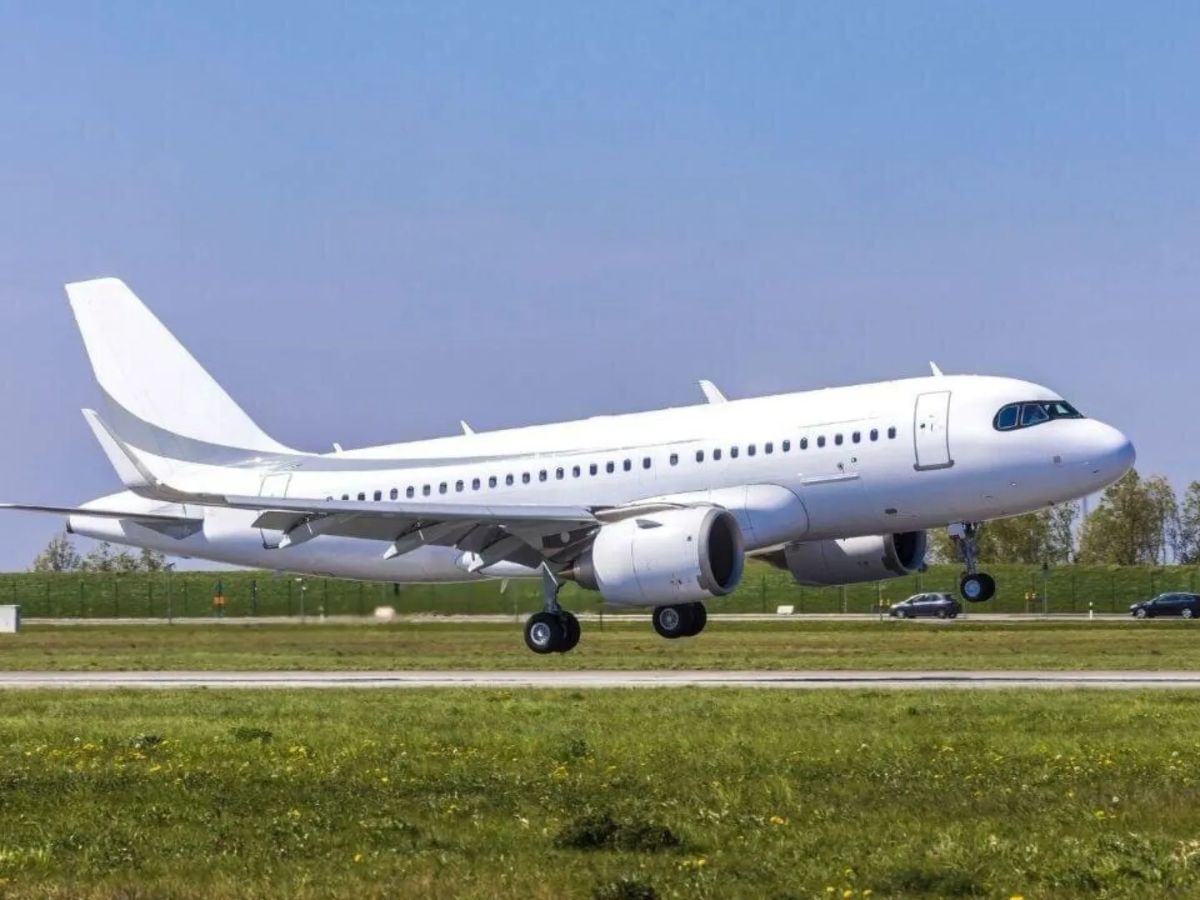
Atravessar o Atlântico num jato privado
O Atlântico Norte liga os dois maiores mercados de aviação privada do mundo. A América do Norte concentra mais atividade de aviação executiva do que qualquer outra região, a Europa ocupa o segundo lugar e o corredor entre ambas as regiões regista um fluxo constante de aeronaves em ambas as direções ao longo do ano.
Os motivos para esses voos variam, desde viagens de negócios e transações de última hora até famílias que se mudam para a Europa durante o verão. O que todos têm em comum é a distância, e é precisamente essa distância que limita a escolha da aeronave.
Que aeronaves podem atravessar o Atlântico?
Os voos transatlânticos variam entre cerca de 2 600 milhas náuticas, no percurso mais curto, e mais de 4 700 milhas náuticas, a partir da Costa Oeste. Isso torna a travessia acessível a:
- Jatos super-médios ( autonomia: 2 700 – 4 000 nm): capazes, nas condições adequadas, de efetuar travessias mais curtas do Atlântico
- Jatos de grande porte (autonomia: 3 600 – 4 600 nm): o mínimo prático para a maioria das travessias sem escalas
- Jatos de alcance ultralongo (alcance: mais de 6 000 nm): onde se concentra a maior parte dos voos charter transatlânticos e que são necessários para partidas da Costa Oeste e para percursos mais longos na Europa
Os jatos de tamanho médio e inferiores não atravessam o Atlântico.
A categoria «super-médio» situa-se no limite do que é possível, em vez de se encontrar confortavelmente dentro desse limite. O Praetor 600 é o modelo com melhor desempenho da sua classe e voará de Nova Iorque ou Boston para Londres, na direção leste, sem paragens, desde que a cabine esteja pouco ocupada e haja ventos favoráveis. No sentido oeste, a mesma aeronave, na mesma rota, poderá necessitar de uma paragem técnica, o que é viável, mas acarreta taxas de aterragem e manuseamento no aeroporto de reabastecimento, bem como um acréscimo de cerca de uma hora à duração da viagem.
Entre os aviões de longo alcance e os de alcance ultralongo, a escolha depende geralmente mais da cabine do que da rota. Nas rotas em que ambos podem voar, um avião de alcance ultralongo oferece mais espaço e conforto num voo longo, em vez de qualquer capacidade adicional.
Modelos populares para voos charter transatlânticos
O alcance é o que restringe o leque de opções em primeiro lugar, pelo que as aeronaves abaixo estão listadas da maior para a menor autonomia. Estes são os modelos que vemos com mais frequência nas reservas de voos transatlânticos.
- Global 7500: 7 700 nm, o maior alcance em voos charter regulares e confortável em qualquer rota transatlântica, em qualquer direção
- Gulfstream G650ER: 7 500 nm, da Costa Oeste para qualquer destino na Europa sem escalas
- Global 6000: 6 000 nm, o avião que mais frequentemente utilizamos na rota Londres-Nova Iorque, o nosso trecho transatlântico mais popular
- Falcon 7X: 5 950 nm, uma cabina silenciosa e autonomia para travessias mais longas

O que determina a classe de aeronave de que necessita
- O vento: Uma aeronave transporta combustível para várias horas de voo, em vez de milhas. A corrente de jato estende-se de oeste para leste através do Atlântico Norte, pelo que, nos voos para leste, funciona como vento a favor e, nos voos para oeste, a mesma aeronave, com a mesma quantidade de combustível, tem de lutar contra ela. A rota de Londres para Miami ilustra isso claramente: o trecho para oeste pode exigir uma aeronave de alcance ultralongo, enquanto o mesmo trecho para leste pode ser facilmente percorrido por um jato de grande capacidade.
- A carga: Se enchermos a cabina e adicionarmos bagagem para duas semanas, a aeronave transporta um peso que, de outra forma, transportaria sob a forma de combustível.
- As reservas: Cada voo transporta combustível para além da rota planeada, destinado a manobras de espera, desvios e imprevistos, que é reservado antes do planeamento da travessia e não está disponível para prolongar a mesma.
Uma regra prática: subtraia 20 por cento a qualquer valor de autonomia publicado. Um jato anunciado com 3 500 milhas náuticas deve ser considerado, na prática, como uma aeronave com 2 800 milhas náuticas de autonomia. Essa margem é o que compensa o impacto do vento, o peso dos passageiros e as reservas.
Quanto custa o aluguer de um jato privado transatlântico
O aluguer de voos transatlânticos é cobrado por viagem e não por hora, e o valor depende mais da distância do que de qualquer outro fator. Preços indicativos de ida para a Europa a partir de três dos pontos de partida mais movimentados:
- Nova Iorque: a partir de 65 000 $ / 47 500 £
- Miami: a partir de 75 000 $ / 55 000 £
- Los Angeles: a partir de cerca de 115 000 dólares / 85 000 libras
Estes são os preços iniciais, baseados no percurso mais curto de cada faixa, sem qualquer pressão específica em termos de disponibilidade. A maioria das cotações situa-se acima destes valores. Os percursos abaixo mostram como isso se traduz na prática, indicando a classe de aeronave normalmente utilizada em cada um deles.
Viagens de ida e volta versus viagens só de ida
Um voo de ida e volta costuma ter um preço mais vantajoso por trecho. O avião permanece consigo, em vez de ter de se reposicionar duas vezes, e numa viagem de três ou quatro dias essa diferença é significativa.
A situação muda no caso de estadias mais longas. Se a aeronave ficar parada durante uma semana, é frequente que o operador calcule o preço da viagem como duas viagens de ida, com um voo de transferência entre elas, e voar dois trechos separados em duas aeronaves diferentes pode revelar-se mais vantajoso. Vale a pena perguntar, em vez de partir de suposições.
Custos adicionais
O preço indicado inclui a aeronave, a tripulação e o combustível para a rota em si. A par disso:
- Aterragem e manobras em ambos os extremos
- Trâmites alfandegários e de imigração
- Autorizações de sobrevoo, sempre que o percurso o exija
- Alojamento da tripulação, caso a aeronave fique consigo
- Desgelo nas partidas de inverno
Um orçamento detalhado apresenta estes elementos antes de qualquer confirmação, e qualquer valor variável, em vez de fixo, é identificado como tal.
Organizar um voo transatlântico
Os voos charter transatlânticos beneficiam de um prazo de reserva mais alargado do que os voos europeus de curta distância. A aeronave adequada para uma viagem encontra-se frequentemente do outro lado do oceano quando a solicitação é recebida; a disponibilidade diminui drasticamente durante o verão e vale a pena definir o trajeto de ida para oeste já na fase de orçamento, em vez de o fazer mais tarde.
A Global Charter é especializada no aluguer de jatos privados internacionais, com escritórios em Londres, Miami, Los Angeles, Toronto e Dubai, e assistência 24 horas por dia, 7 dias por semana, durante toda a viagem. Sabemos quais são as operadoras que têm aeronaves na margem certa do Atlântico e planeamos ambas as etapas de forma adequada antes de qualquer confirmação.
Perguntas Frequentes
Os voos transatlânticos costumam ser noturnos?
A maioria dos voos com destino a leste faz isso, embora o horário seja definido de acordo com as necessidades da viagem. Uma partida ao início da noite a partir do Nordeste chega a Londres de manhã, o que é ideal para quem tem reuniões no dia seguinte e quer dormir durante o voo. Os voos com destino a oeste tendem a decorrer durante o dia, chegando a Nova Iorque ainda com a tarde pela frente.
O que acontece se o avião precisar de uma paragem para reabastecimento?
Aterrou, reabastece e parte, normalmente com uma permanência no solo de 45 minutos a uma hora e cerca de uma hora adicionada à duração total da viagem. Keflavik e Shannon costumam receber este tráfego e os passageiros permanecem normalmente a bordo durante todo o tempo. Trata-se de uma situação rotineira e não de um problema com a reserva, mas entre o tempo adicional e as taxas de aterragem e de assistência no aeroporto de reabastecimento, optar por uma classe superior para voar sem escalas é muitas vezes a melhor opção.
É possível fazer o voo de ida e volta no mesmo dia?
É raro, e requer planeamento. Nesses percursos, aplicam-se limites às horas de serviço da tripulação, pelo que um regresso no mesmo dia implica, normalmente, ter uma segunda tripulação posicionada no destino ou um tempo de rotação superior ao permitido pelo horário. É possível nas travessias mais curtas, mas é uma questão que deve ser levantada na fase de orçamentação, em vez de se partir do princípio de que é viável.
Há Wi-Fi do outro lado do Atlântico?
Na maioria das aeronaves utilizadas nestas rotas, sim, embora a cobertura sobre o Atlântico Norte varie consoante a aeronave e o sistema instalado. Os sistemas de conectividade a bordo diferem consideravelmente em termos de velocidade e fiabilidade, pelo que vale a pena confirmar, antes de efetuar a reserva, se o tempo de voo pode ser considerado tempo de trabalho.
Com que antecedência se deve reservar uma travessia de verão?
Com mais antecedênciado que a maioria das pessoas imagina. As aeronaves posicionadas na Europa têm grande procura entre junho e agosto, e a aeronave adequada para uma viagem encontra-se frequentemente do outro lado do Atlântico quando a solicitação é recebida. É possível fazer reservas de última hora, mas as opções ficam mais limitadas e o preço aumenta em consequência.