
%20.png)

Prive Jet Chartermaatschappijen versus commerciële luchtvaartmaatschappijen

Prive Jet vs. commerciële luchtvaartmaatschappijen: wat past het beste bij jou?
Als het gaat om vliegreizen, draait de keuze tussen een chartervlucht van Prive Jet en een commerciële luchtvaartmaatschappij om kosten, tijd en wat u van de reis verwacht. Commerciële luchtvaartmaatschappijen bieden betaalbare tarieven en uitgebreide routenetwerken. Een chartervlucht via Prive Jet biedt controle over de dienstregeling, privacy en toegang tot luchthavens die commerciële vluchten niet kunnen bereiken. In deze gids worden de belangrijkste verschillen uitgelegd, zodat u een weloverwogen beslissing kunt nemen op basis van uw reisbehoeften.
Korte samenvatting: Belangrijkste punten
- Privéjets zorgen voor een snellere reistijd van deur tot deur doordat tussenstops, lange rijen bij de veiligheidscontroles en overvolle terminals worden vermeden.
- Commerciële luchtvaartmaatschappijen zijn voordeliger en geschikter voor voorspelbare dienstregelingen en een uitgebreider netwerk van bestemmingen.
- Chartervluchten bieden een flexibel alternatief tussen volledig eigendom en reizen met lijnvluchten.
- Wat voor jou de beste keuze is, hangt af van je budget, je reisdoelen en je prioriteiten op het gebied van comfort en efficiëntie.
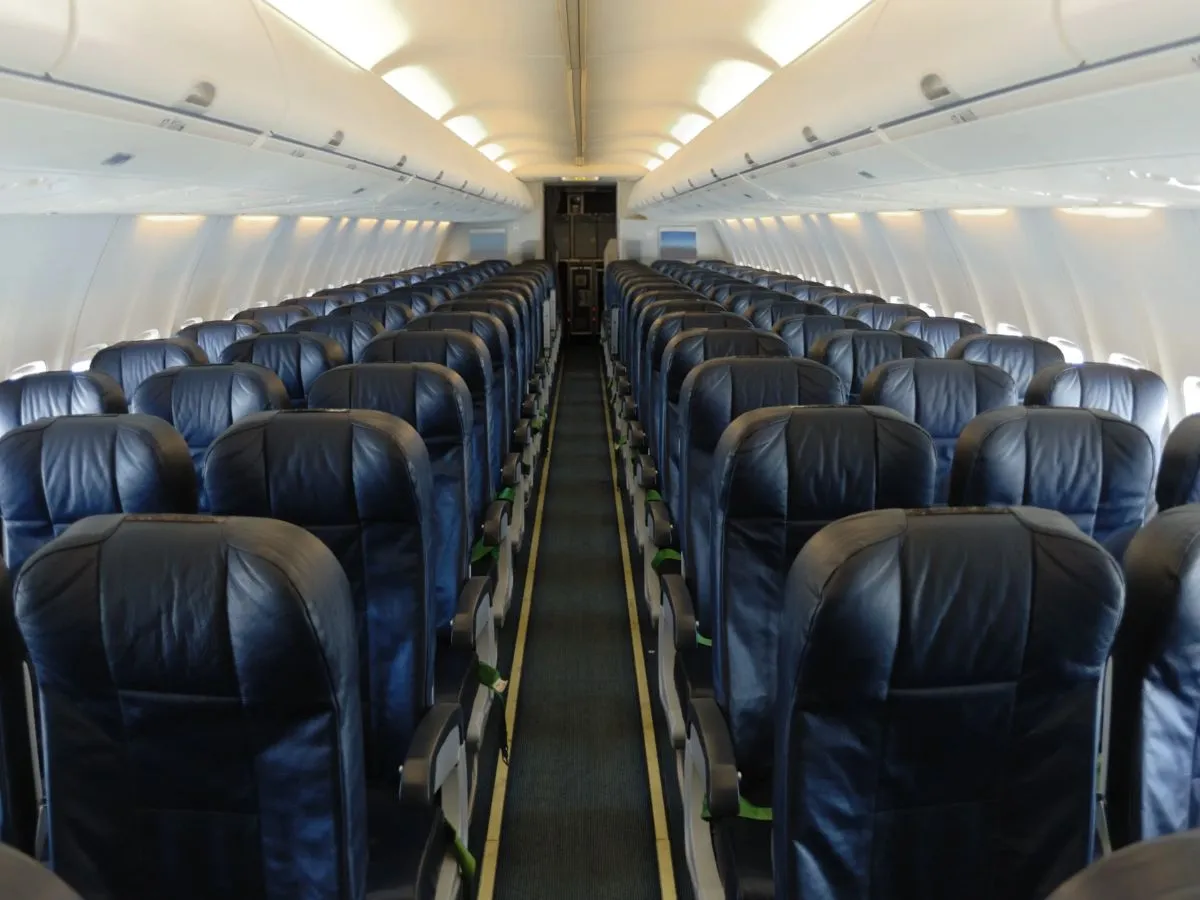
Prive Jet vs. commerciële vlucht: in één oogopslag
In de onderstaande tabel worden de belangrijkste verschillen samengevat tussen de factoren die het meest van belang zijn bij het kiezen van een manier van reizen.
Hoe commerciële luchtvaartmaatschappijen werken
Commerciële luchtvaartmaatschappijen exploiteren grote vloten op vaste, geregelde routes en vervoeren honderden passagiers per vlucht via een wereldwijd netwerk. De voordelen liggen voor de hand: betaalbaarheid, vooral bij vroegtijdige boeking, en een uitgebreid netwerk naar de meeste grote steden wereldwijd.
De nadelen zijn al even bekend. Passagiers moeten 90 minuten tot twee uur voor vertrek aanwezig zijn, door de gezamenlijke veiligheidscontrole gaan en samen met het grote publiek aan boord gaan. De dienstregeling ligt vast, vertragingen komen vaak voor en de flexibiliteit is beperkt. Het omboeken van een vlucht brengt doorgaans kosten met zich mee en is afhankelijk van de beschikbaarheid van stoelen. Voor individuele reizigers op populaire routes, waarbij de kosten de belangrijkste overweging zijn, blijven commerciële luchtvaartmaatschappijen de praktische keuze.
Hoe het charterprogramma ‘ Prive Jet ’ werkt
Prive Jet Charter houdt in dat u een volledig vliegtuig reserveert voor uw exclusieve gebruik tijdens een specifieke reis. U kiest zelf de vertrektijd, de luchthaven en de vliegtuigcategorie. Er is geen gedeelde cabine, geen vast vluchtschema en u hoeft niet in de rij te staan. Passagiers komen doorgaans 10 tot 15 minuten voor vertrek aan bij een privéluchthaven, ook wel een FBO genoemd, lopen rechtstreeks naar het vliegtuig en stappen onmiddellijk in.
Chartervluchten zijn beschikbaar voor alle categorieën vliegtuigen, van lichte jets voor korte regionale vluchten tot jets met een ultralange actieradius die geschikt zijn voor trans-Atlantische en intercontinentale vluchten. Raadpleeg onze vliegtuiggids voor een volledig overzicht van de verschillende vliegtuigtypes en wat ze te bieden hebben.
Kostenvergelijking: ' Prive Jet ' versus 'Commercial'
Prive Jet De prijs van een chartervlucht wordt per vliegtuig berekend, niet per stoel. De chartertarieven beginnen bij ongeveer 3.000 dollar per uur voor een zeer lichte jet en lopen op tot 15.000 dollar of meer per uur voor zware vliegtuigen en vliegtuigen met een ultralang bereik. De totale kosten van een reis omvatten ook landingsrechten, afhandelingskosten en eventuele aanvullende diensten, zoals catering of vervoer over land.
De tarieven voor commerciële vluchten lopen sterk uiteen. Economy-tickets kunnen op binnenlandse routes al vanaf een paar honderd dollar kosten. Voor business- en first class op langeafstandsvluchten kunnen de prijzen oplopen tot 5.000 tot 8.000 dollar of meer per stoel voor een enkele reis.
Naarmate de groepsgrootte toeneemt, wordt het verschil tussen beide aanzienlijk kleiner. Een vlucht met een middelgroot vliegtuig van Londen naar Parijs kost ongeveer 11.000 pond voor een enkele reis. Verdeeld over acht passagiers komt dat neer op ongeveer 1.400 pond per persoon, vergelijkbaar met een ticket in businessclass, maar dan met aanzienlijk minder tijd op luchthavens en zonder dat je de cabine met anderen hoeft te delen. Voor een volledig overzicht van de factoren die de prijzen van Prive Jet bepalen, zie onze gids over hoeveel een Prive Jet kost.
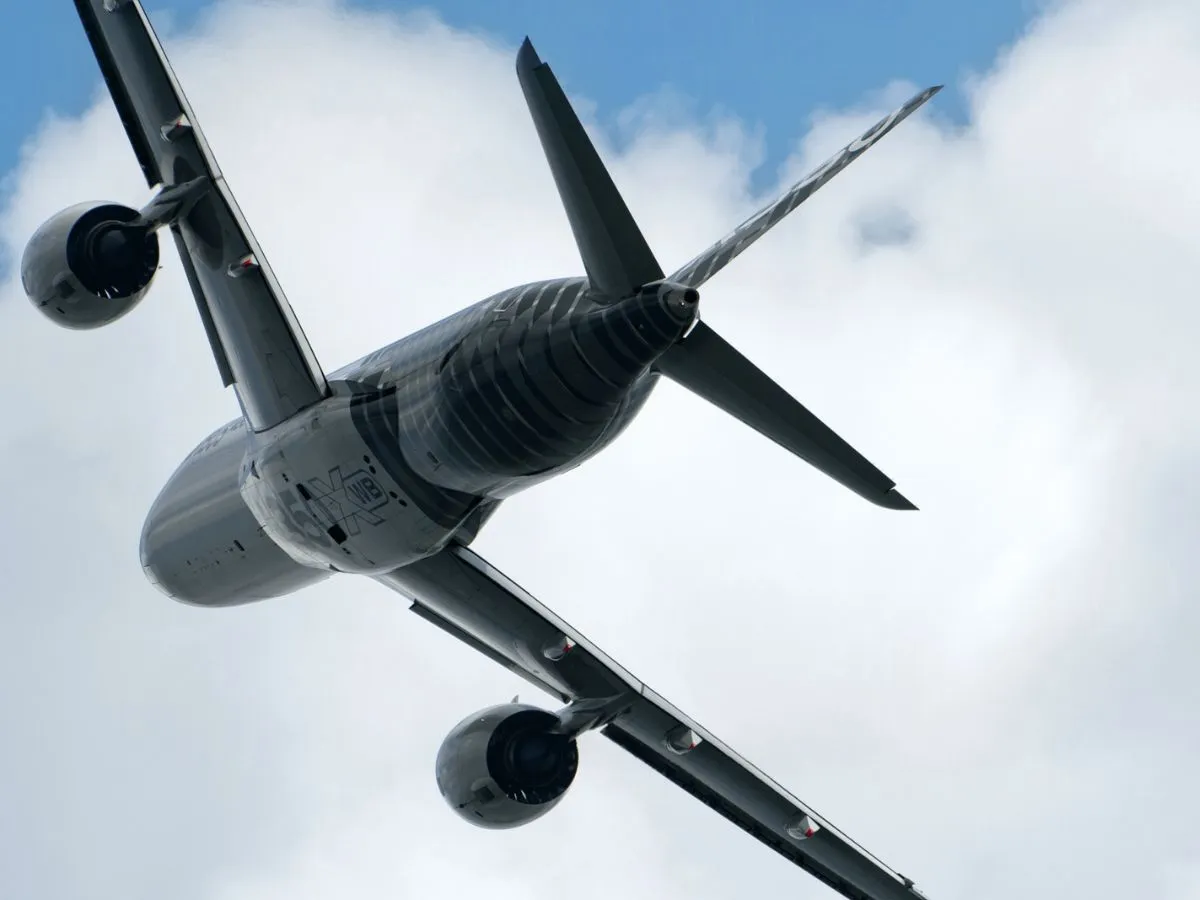
Wanneer wordt een ‘ Prive Jet ’ prijsconcurrerend?
Prive Jet De prijs van een chartervlucht wordt per vliegtuig berekend, niet per stoel. Bij een individuele reis is het prijsverschil ten opzichte van een commerciële vlucht aanzienlijk. Maar naarmate de groepsgrootte toeneemt, dalen de kosten per persoon aanzienlijk. Voor groepen van zes of meer personen op middellangeafstandsroutes ligt de prijs van een privécharter vaak binnen het bereik van premium commerciële tarieven, zeker als men rekening houdt met de tijdwinst en het gemak.
De afweging valt nog sterker in het voordeel van de privé-luchtvaart uit wanneer de route een overstap vereist, wanneer er op één dag meerdere steden moeten worden bezocht, of wanneer er naar een bestemming wordt gereisd waarvoor geen rechtstreekse commerciële vlucht beschikbaar is. Voor leidinggevenden wier tijd een directe financiële waarde heeft, lopen de uren die bij elke reis worden bespaard, in de loop van een reisjaar snel op.
Reistijd van deur tot deur: een echte vergelijking
Het tijdvoordeel van de privé-luchtvaart komt het duidelijkst tot uiting op routes waar het verblijf op commerciële luchthavens meer tijd in beslag neemt dan de vlucht zelf. Neem bijvoorbeeld de route van Londen naar Edinburgh. Bij een commerciële vlucht duurt het – als je 90 minuten van tevoren aanwezig bent – door de veiligheidscontrole, het instappen, de vlucht en het ophalen van de bagage doorgaans vier tot vijf uur van deur tot deur. Met een Prive Jet die vertrekt vanaf een Londense FBO zoals Farnborough of Biggin Hill, duurt dezelfde reis minder dan twee uur van stoep tot stoep, zonder wachtrijen, zonder bagageafgifte en met directe toegang tot de grond aan de andere kant.
Op langere routes is de absolute tijdwinst groter. Een transatlantische vlucht tussen Londen en New York levert in totaal twee tot drie uur tijdwinst op wanneer de procedures op een privé-luchthaven worden vergeleken met die op een grote commerciële hub. Zie voor meer informatie over privé-reizen over lange afstanden onze gids over transatlantische vluchten op Prive Jet .
Flexibiliteit en planning
Commerciële luchtvaartmaatschappijen vliegen volgens vaste dienstregelingen. Als er iets verandert, brengt het omboeken kosten met zich mee, gelden er beperkingen wat betreft beschikbaarheid en zijn de vertrektijdvakken strak vastgelegd. Bij privécharter zijn die beperkingen volledig verdwenen. Vertrektijden kunnen met een paar uur van tevoren worden aangepast, reisroutes kunnen tijdens de reis worden gewijzigd en last-minute boekingen zijn doorgaans mogelijk, afhankelijk van de beschikbaarheid van vliegtuigen.
Deze flexibiliteit is met name van groot belang bij zakenreizen, waarbij vergaderschema’s vaak veranderen en reizen langs meerdere steden veel voorkomen. Voor klanten die behoefte hebben aan een gegarandeerd vliegtuig met vaste prijzen in plaats van beschikbaarheid op aanvraag, bieden opties zoals de GC Jet Card en het GC Flight Fund een gestructureerd alternatief.
Toegang tot de luchthaven
Commerciële luchtvaartmaatschappijen vliegen op ongeveer 500 grote luchthavens wereldwijd. Privéjets hebben toegang tot meer dan 5.000 luchthavens, waaronder kleinere regionale vliegvelden die vaak dichter bij de eindbestemming liggen. Dit grotere bereik verkort de reistijd over land aanzienlijk, met name in gebieden waar de dichtstbijzijnde commerciële hub ver van de beoogde bestemming ligt.
Tot de ' Prive Jet '-luchthavens van Londen behoren bijvoorbeeld Farnborough, Biggin Hill, Luton en Stansted, die elk verschillende voordelen bieden, afhankelijk van je bestemming en je behoeften op het gebied van vervoer over land.
Privacy en ervaring in de cabine
Op een commerciële vlucht, zelfs in de eerste klasse, deel je de cabine met anderen. Gesprekken kunnen worden afgeluisterd, vergaderingen kunnen niet ongestoord worden gehouden en de ervaring wordt bepaald door de servicenormen van de luchtvaartmaatschappij in plaats van door die van jezelf.
Bij een ‘ Prive Jet ’ is het vliegtuig helemaal van u. Er zijn geen andere passagiers, geen gedeelde voorzieningen en geen beperkingen op het gebruik van de cabine. Voor zakenreizen waarbij vertrouwelijke gesprekken plaatsvinden, of voor vakantiereizen met het gezin of een groep, maakt dat niveau van privacy een groot verschil. Voor meer informatie over wat u kunt verwachten in de cabine van een ‘ Prive Jet ’, inclusief vliegtuigen met slaapkamers en speciale slaapsuites, raadpleegt u onze gids over privéjets met slaapkamers.n
Veiligheid: Prive Jet versus commerciële producten
Zowel privéjets als commerciële luchtvaartmaatschappijen moeten zich houden aan strenge veiligheidsvoorschriften voor de luchtvaart. Commerciële luchtvaartmaatschappijen volgen de richtlijnen van de FAA en de EASA, met gestandaardiseerde protocollen voor hun omvangrijke vloten. Exploitanten van Prive Jet vallen onder hetzelfde regelgevingskader, en velen overtreffen vrijwillig de minimumvereisten door middel van veiligheidsaudits door derde partijen, zoals ARGUS- en Wyvern-certificering.
Een praktisch voordeel van de privé-luchtvaart is de flexibiliteit bij verstoringen. Als een grote commerciële luchthaven vanwege het weer gesloten is, kan een Prive Jet vaak uitwijken naar een nabijgelegen regionaal vliegveld dat niet toegankelijk is voor commerciële vluchten. Global Charter werkt uitsluitend samen met exploitanten die voldoen aan de strengste onafhankelijke veiligheidsnormen, waarbij elke vlucht grondig wordt gecontroleerd op de geldigheid van het AOC, de verzekering, de onderhoudsgeschiedenis en de gegevens van de bemanning.
Milieuoverwegingen
Privéjets stoten per passagier aanzienlijk meer CO₂ uit dan commerciële luchtvaartmaatschappijen. Dit is een belangrijk aandachtspunt voor reizigers die duurzaamheid hoog in het vaandel hebben staan. Global Charter ondersteunt duurzame vliegtuigbrandstof (SAF) en biedt een CO₂-compensatieprogramma aan voor klanten die de milieu-impact van hun vluchten willen verminderen. Raadpleeg onze gids over de kosten van vliegtuigbrandstof voor een gedetailleerd overzicht van de brandstofkosten en de beschikbaarheid van SAF.
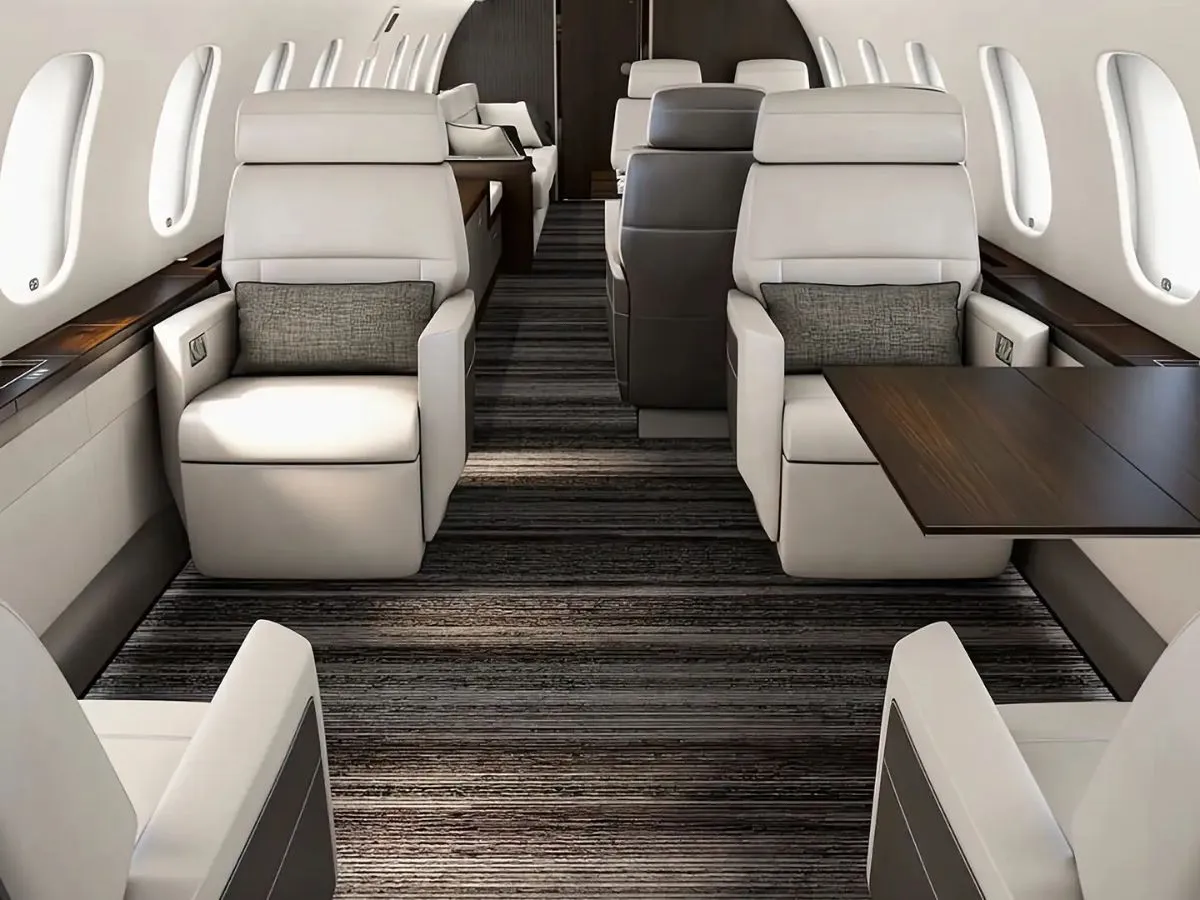
Prive Jet vs. Commercieel: wat past het beste bij jou?
De juiste keuze hangt af van hoe u reist. Commerciële luchtvaartmaatschappijen blijven de praktische optie voor individuele reizigers op goed bediende routes waar de kosten de belangrijkste overweging zijn. Een privécharter is de betere keuze wanneer tijd een directe financiële waarde heeft, wanneer een groep samen reist en de kosten per persoon daardoor lager uitvallen, of wanneer de bestemming niet goed wordt bediend door lijnvluchten.
Voor wie vaak reist en op zoek is naar een meer gestructureerde regeling, bieden de GC Jet Card en het GC Flight Fund vaste uurtarieven en gegarandeerde beschikbaarheid, zonder dat men zich hoeft te binden aan het bezit van een vliegtuig.
Als u voor het eerst een privéjet wilt charteren en wilt weten hoe deze ervaring zich precies verhoudt tot vliegen in de eerste klasse, dan vindt u in onze gids ‘Prive Jet versus eerste klasse’ een gedetailleerd overzicht van de belangrijkste verschillen.
Veelgestelde vragen
Is reizen met de „ Prive Jet ” altijd duurder dan met een commerciële vlucht?
Perstoel gezien, ja. Maar de prijs van privéjets wordt per vliegtuig berekend, niet per passagier. Voor groepen van zes of meer personen kunnen de kosten per persoon op een Prive Jet in dezelfde orde van grootte liggen als die van business- of first class-tickets bij commerciële luchtvaartmaatschappijen, met name op middellangeafstandsroutes, terwijl je profiteert van een aanzienlijk snellere reis van deur tot deur en een volledig privé-cabine.
Hoeveel tijd bespaart een Prive Jet in vergelijking met een commerciële vlucht?
Opde meeste routes bespaart reizen met een „ Prive Jet ” twee tot vier uur van deur tot deur. De tijdwinst is het grootst op korte binnenlandse trajecten, waar de procedures op commerciële luchthavens een onevenredig groot deel van de totale reistijd in beslag nemen. Op trans-Atlantische routes bedraagt de tijdwinst doorgaans twee tot drie uur.
Kunnen privéjets naar luchthavens vliegen waar commerciële luchtvaartmaatschappijen niet kunnen vliegen?
Ja. Privéjets hebben toegang tot meer dan 5.000 luchthavens wereldwijd, waaronder regionale vliegvelden en kleinere landingsbanen die niet door commerciële luchtvaartmaatschappijen worden bediend. Dankzij dit uitgebreide netwerk wordt de reistijd over land aan beide uiteinden van de reis vaak verkort.
Wat is het verschil tussen een chartervlucht en een commerciële luchtvaartmaatschappij?
Eencommerciële luchtvaartmaatschappij verkoopt losse stoelen op lijnvluchten die ook door het grote publiek worden gebruikt. Bij een chartervlucht huurt u een heel vliegtuig af voor exclusief gebruik, waarbij de vertrektijd, de luchthaven en de route worden afgestemd op uw agenda in plaats van op een vaste dienstregeling.
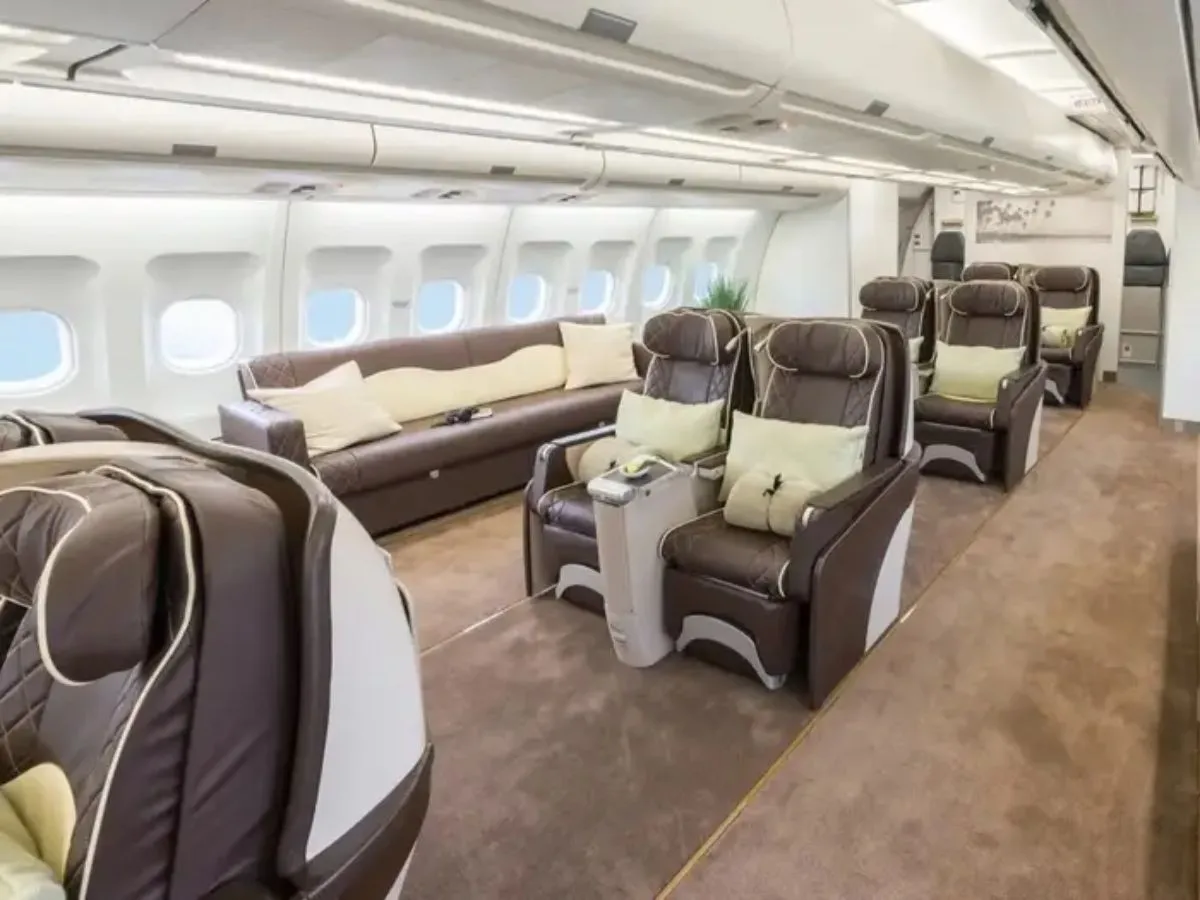
De juiste keuze maken: Prive Jet of een commerciële luchtvaartmaatschappij?
Een privévlucht is niet altijd de duurste optie als je rekening houdt met de grootte van de groep, de tijdwinst en het gemak op de luchthaven. Als je een reis plant en wilt weten of een privévlucht voor jouw route een goede keuze is, kan ons team een offerte opstellen en de verschillende opties met je doornemen. Vraag vandaag nog een offerte aan en laat ons het juiste vliegtuig voor jouw reis vinden.